Tuesday, November 3, 2026
Plessy v. Ferguson Mock Trial Reaction
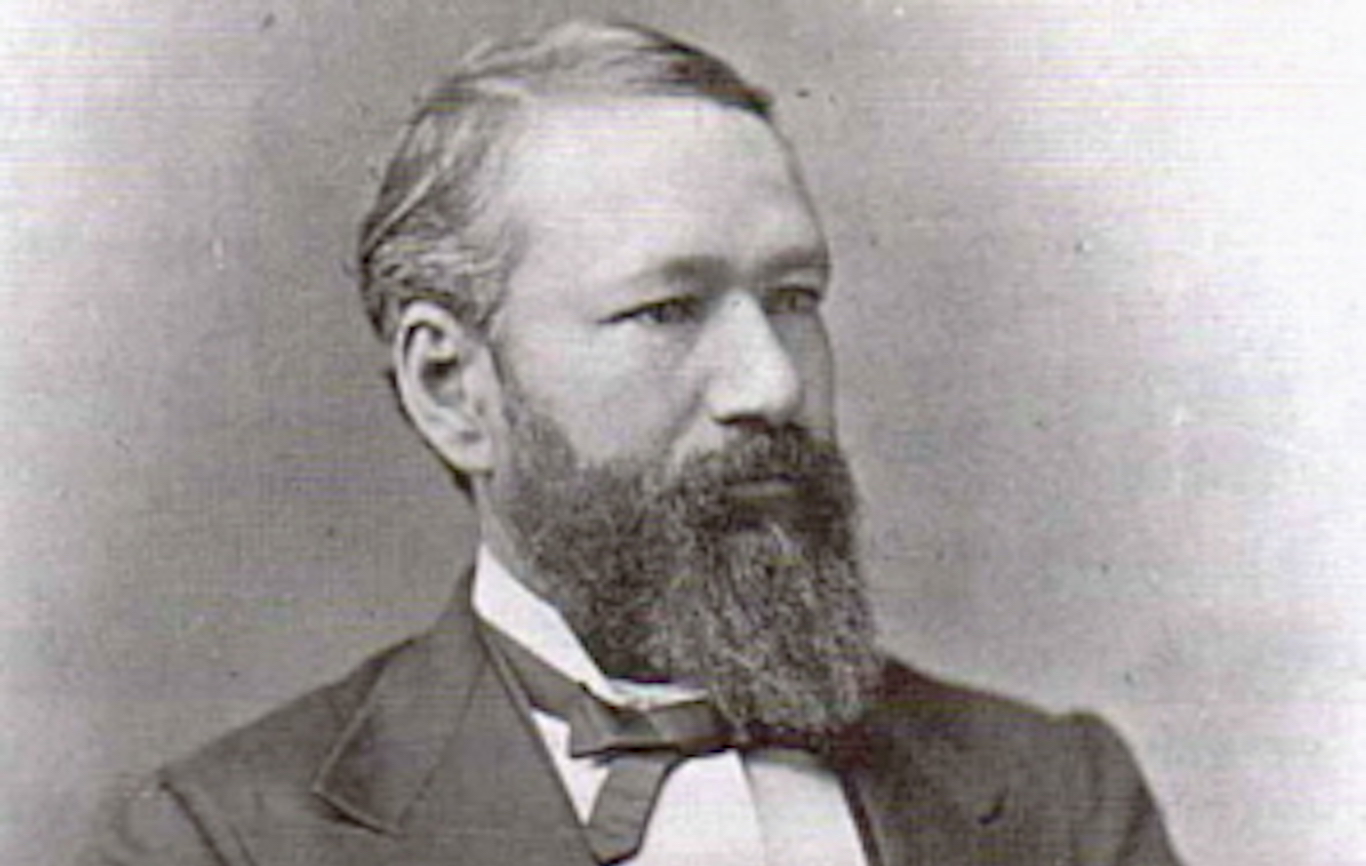 |
| Plessy v. Ferguson was a landmark 1896 case |
In class today, I was a part of the audience that watched the two mock trial teams in the case of Plessy V Ferguson, with the first team being the team defending Plessy. These are some facts I wrote down about the case and some things I already knew about the case. Homer Plessy was a black man who could “pass” and live in white society. He bought a first-class ticket for a white car illegally and was fined under the Separate Car Act, with the defending side asking whether this violated his rights under the 14th Amendment.
They argued the Constitution should not play into a citizen’s legal rights because of race. Plessy was not drunk or disorderly; he simply was there and had to face consequences for it.
Citizens who purchase tickets and obey the laws have a right to equal service, and Plessy paid an equal fare for an equal seat.
Segregation, they said, is unjust and unconstitutional, and bad for the community. It teaches children racism; do we want children to grow up this way?

Now, for the side that is defending Ferguson, we have to look at the Separate Car Act because that act does not treat people differently; they are separated but treated equally. Louisiana did not invent this law, but it happens everywhere.
The 13th and 14th Amendments did not allow races and social life to mix, and they do not reach private, social distinctions.
The 13th abolished slavery and did nothing more, and the 14th made people equal only by law, not through social mingling. The Congress that drafted the 14th knew of the rulings and left it anyway.
To honor order is not hatred; it’s humility. Inferiority lies not in the act, only in the meaning itself.



No comments:
Post a Comment